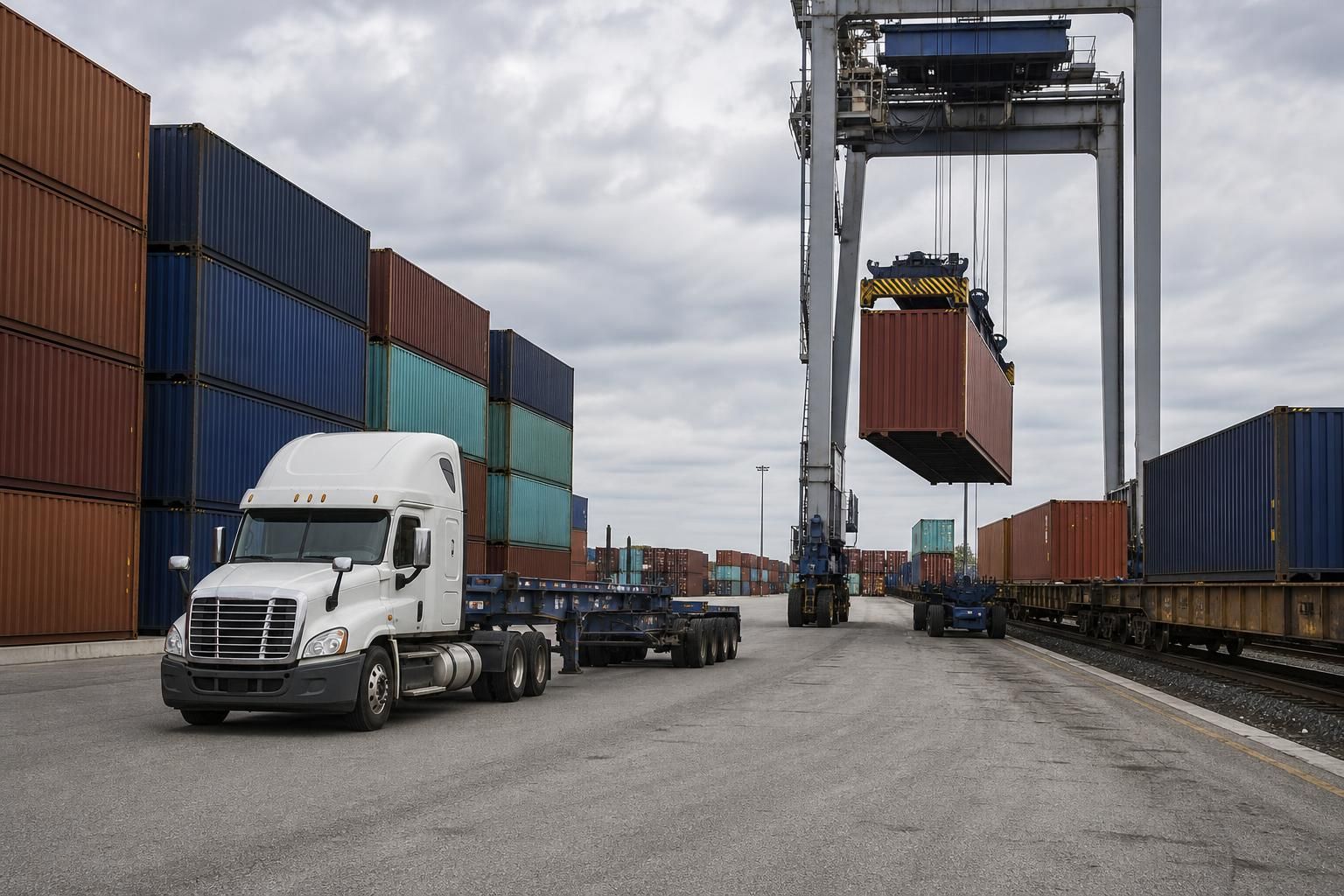
Every importer moving boxes into southern Ontario has seen the same pattern. The vessel arrives on time, the train clears the ramp, and the container then sits. Nobody planned for it, yet the invoices that follow can erase the margin on the shipment. That idle gap is container dwell time, and it is one of the most controllable costs in inland freight.
What Container Dwell Time Actually Measures
Dwell time is the stretch between the moment a container is discharged or railed to a terminal and the moment it leaves on a truck. During that window, the terminal or the ocean carrier counts the days. Once free time runs out, storage charges start on the box and per diem or detention charges start on the equipment. Those are separate meters, and a delayed pickup can trigger both at once.
Free time varies by carrier, terminal and contract, so there is no universal number to plan around. The practical takeaway is simple: the clock starts before you think it does, and it keeps running through weekends and holidays.
Where the Delays Usually Start
Most dwell problems are not caused by the rail ramp itself. They come from small gaps in the handoff chain that pile up on the same container.
- Customs and paperwork holds. A missing document or an unreleased entry stops a pickup cold, however ready the truck is.
- Chassis shortages. A driver arrives at the gate and no suitable chassis is available, so the move slips a day.
- Appointment congestion. Terminals schedule gate visits, and a missed slot can push a pickup out by a full shift or more.
- Consignee not ready. The dock is full, the receiving crew is short, or the warehouse cannot unload until later in the week.
- Late dispatch. The carrier is told about the move too late to line up a driver and equipment for the first available window.
The Cost Ladder: From Storage to Detention
A container that leaves the ramp on day one costs only the haul. A container that waits can pick up terminal storage, then per diem, then detention at the consignee if the truck and chassis are held at the dock while unloading drags on. Each charge looks minor alone. Together they turn a routine move into a dispute between the importer, the broker and the carrier.
That is why experienced logistics managers treat dwell time as a planning problem rather than a billing problem. The money is lost in the days before the invoice exists.
Practical Ways to Shorten the Gap
- Send pre-advice early. Give your trucking partner the container number, terminal and expected availability as soon as the vessel is confirmed.
- Clear paperwork before arrival. Release status should be checked daily, not on the day you want the box.
- Book the gate appointment as soon as the container is available. The first open slot is usually the cheapest one.
- Line up chassis in advance. A carrier that owns its own chassis pool removes one of the most common causes of a failed pickup.
- Confirm the receiving dock the day before. A ready consignee protects you from detention at the final stop.
When Storage Is the Smarter Move
Sometimes the cheapest fix is not a faster delivery but a deliberate pause. If the warehouse is full or the cargo is not needed for several days, pulling the container off the ramp and holding it in a secured yard can cost less than letting it accrue terminal charges. Importers who plan for this use container storage solutions in Ontario as a buffer between the ramp and the dock, which keeps the box moving on your schedule instead of the terminal's.
Choosing a Carrier That Protects Your Free Time
The carrier you pick shapes your dwell time more than most shippers expect. Ask direct questions about how pickups are scheduled and what happens when a gate appointment is missed. Ask how many chassis the company controls, whether its yard is secured, and how close it sits to the rail ramps you use. A carrier with its own terminal near the ramps can stage containers and recover from a missed window without sending the box back into the queue.
S&R Trucking, based in Kleinburg with a 75-acre terminal in Brampton near CN and CP Rail, has built its operation around that kind of positioning since 1992. For importers comparing partners, a provider of intermodal container transport with its own equipment and yard is worth putting on the shortlist before the next vessel lands.
A Simple Weekly Habit
Once a week, list every container you have in the system and mark where each one sits: on vessel, at ramp, on truck, at dock, empty and awaiting return. Anything that has been in one status longer than expected gets a call that day. This five-minute review catches most dwell problems while they are still cheap to fix.
Final Thoughts
Container dwell time rarely makes headlines, yet it decides whether an import moves profitably. Shorten the paperwork lag, secure equipment early, confirm the receiving dock, and choose carriers who can stage containers when the plan changes. The ramp will always be busy. Your container does not have to sit in it.