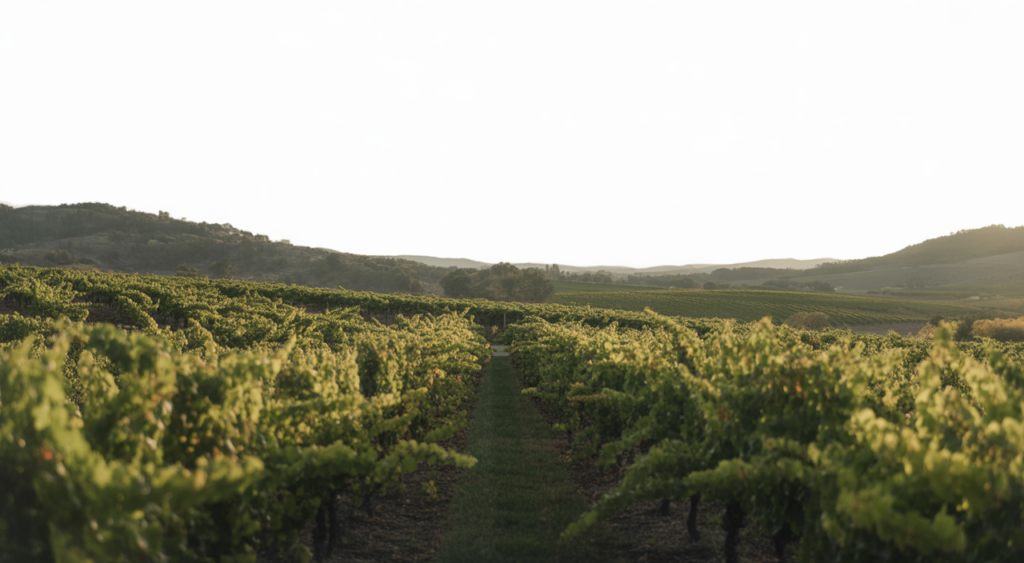
If you love good wine and scenic drives, wine tasting Napa Valley should be high on your travel list. This famous region in California is known worldwide for its rich reds, crisp whites, and peaceful vineyard views. Many travelers now look for smaller, more personal estates instead of crowded tourist spots, and that is where a place like wine tasting Napa Valley at a family-owned winery truly shines.
In this guide, you will learn how to choose the right wineries, how to taste wine with confidence, and how to plan a smooth trip. You will also see why a boutique, family-run estate can feel more welcoming than a huge commercial winery. Think of this as your simple checklist before you book flights and reserve tasting slots.
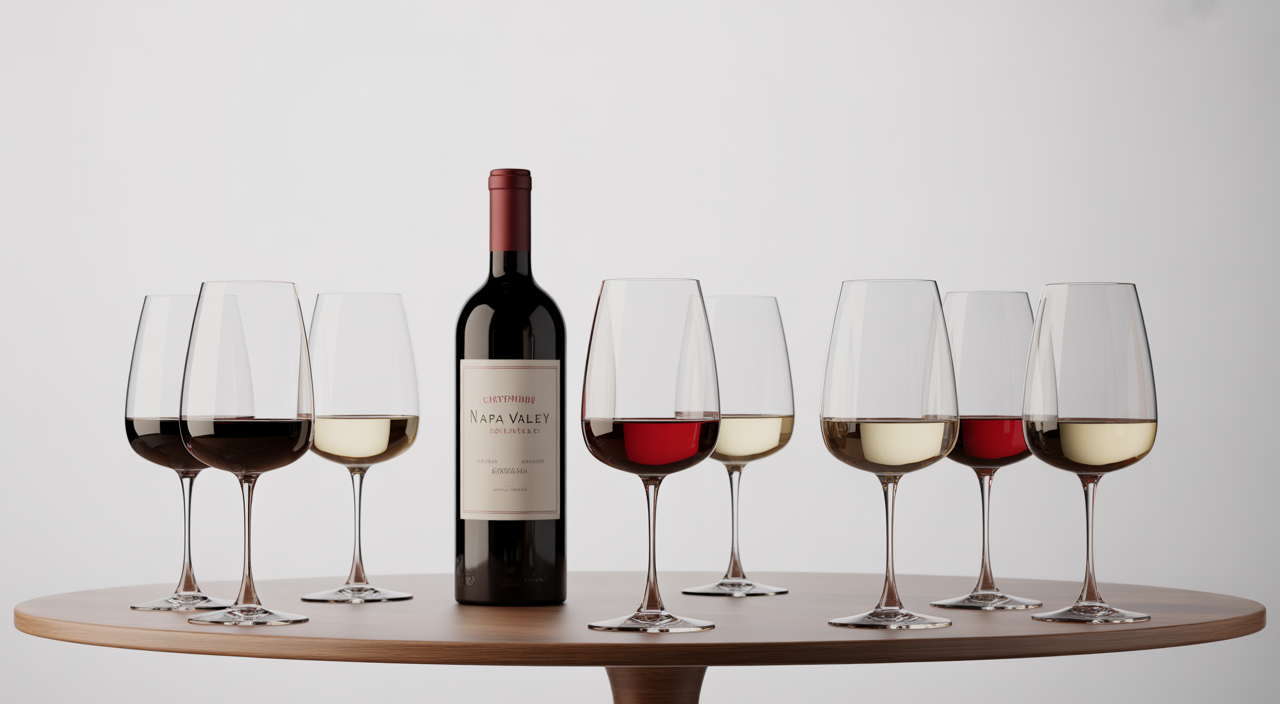
Although Napa Valley is in the United States, many visitors travel from India and other parts of Asia. With a bit of planning, you can turn a short holiday into a relaxing and memorable wine journey.
Understanding Napa Valley’s AVAs and Terroir
To enjoy wine, it helps to know where it comes from. Napa Valley is divided into smaller zones called AVAs. AVA stands for American Viticultural Area, which is a legally defined grape-growing region with its own climate and soil style.
In simple words, AVA is like an “address” for the wine. It tells you the area where the grapes grew. This affects the taste, smell, and texture of every bottle.
You will hear another term often: terroir. Terroir includes soil, weather, sunlight, and even slope of the land. Two vineyards growing the same grape can make very different wines because their terroir is different.
Carneros: Cool Climate, Elegant Wines
One AVA many wine lovers enjoy is Carneros, at the southern part of Napa Valley. It has cool breezes and some fog from the nearby bay. This cooler climate is perfect for grapes like Chardonnay and Pinot Noir, which become elegant, balanced wines.
Many family-owned estates in this area focus on careful farming and low-intervention winemaking. That means more attention to quality, less focus on mass production. When you plan your tastings, add at least one Carneros estate to experience this style.
Types of Wine Tasting Experiences
Not all tastings are the same. Before you book, think about the kind of experience you want.
Walk-in vs Reservation-only Tastings
Some tasting rooms allow walk-in guests. You can simply enter, stand at the bar, and taste a set of wines. This can be fun, but also busy and a bit rushed during peak seasons.
Reservation-only tastings require you to book a date and time in advance. These are usually seated, slower, and more detailed. Staff can explain tasting notes, terroir, and food pairings. If you are traveling from far away, reservation-only experiences are safer, because you avoid last-minute disappointment.
Private and Small-group Tastings
If you prefer quiet surroundings and conversation, look for private or small-group tastings. These often include a tour of the vineyards or the barrel room, where wines rest in wooden barrels before bottling.
During such visits, you can ask about grape varieties like Cabernet Sauvignon Napa, blending methods, and ageing time. Many boutique estates offer reserve tastings of their best wines only in these smaller sessions.
Planning Your Napa Valley Wine Tasting Trip
Good planning makes your visit relaxing and stress-free, especially if you are flying long distance.
Best Time to Visit
Spring and early summer bring green vineyards and pleasant weather. Harvest season, usually around August to October, is very exciting, with busy activity in the vineyards and cellars. However, during harvest it can be more crowded, so book even earlier.
Weekdays are often calmer than weekends. Early morning or the first time slot of the day is ideal, as your palate is fresh and tasting rooms are quieter.
How to Book Tastings and Tours
Follow these simple steps:
- Decide your dates and how many days you will stay in Napa Valley.
- Choose 2 to 3 wineries per day. More than that can feel rushed.
- Visit each winery’s website and check their tasting options and prices.
- Reserve online or email them with your preferred date, time, and group size.
- Keep all confirmations in one folder or on your phone for easy reference.
For more ideas on planning smooth trips and experiences, you can explore guides like this one on what to look for when choosing a hotel, which also helps you think through comfort and budget before you book.
Transportation Options
You can rent a car and choose a self-drive wine tour. This gives freedom to explore different AVAs at your own pace. Just ensure at least one person in your group stays under the tasting limit and focuses on safe driving.
Another option is to book a local driver or join a small tour group. This is more relaxing, as you do not worry about routes or parking. For Indian travelers, this can feel similar to hiring a car-and-driver package for outstation trips.
Top 5 Insider Tips for First-time Visitors
1. Learn Simple Wine Tasting Etiquette
You do not need to be an expert. Just keep a few points in mind:
- Hold the glass by the stem, not the bowl, so the wine stays cool.
- Start with lighter wines (whites, then reds) and finish with sweeter ones.
- It is fine to spit or pour out leftover wine into the provided bucket. This helps you stay fresh for more tastings.
- Ask questions. Staff enjoy explaining their wines and story.
2. What to Wear and Bring
Wear comfortable shoes, as you may walk through vineyards. Dress in layers, because Napa mornings can be cool and afternoons warm. Carry a small bottle of water and some light snacks between tastings.
3. Use a Simple Tasting Journal
Note the name of the winery, grape, year, and your quick impression. Use words like “fruity,” “spicy,” or “smooth.” This makes it easier to remember which bottles you may want to buy later or ship home.
4. Find the Best Photo Spots
Ask the staff for their favorite view on the property. Often, a small hill, an old oak tree, or a row of barrels makes a perfect memory shot. Morning and late afternoon light usually give the best photos.
5. Enjoy Wine and Food Pairings
Many estates offer cheese or chocolate with their wines. This is a simple way to learn wine and cheese pairing. Note which cheese works best with which wine style, so you can recreate the experience back home with Indian snacks or fusion dishes.
Featured Wineries: Why Boutique Estates Stand Out
Smaller, family-owned wineries often focus on quality and personal connection. You may meet the owner, the winemaker, or long-time staff who know each plot of land well. They can guide you through vertical tastings, where you compare the same wine from different years.
Reserve tastings usually feature limited-production wines, often with richer flavor and longer ageing potential. If you are building a collection in India or planning gifts for family and business contacts, these bottles can be special choices.
Trending Experiences to Look For
- Wine blending classes: Create your own blend by mixing different grape varieties, then bottle and label it to take home.
- Sustainability tours: Many sustainable wineries in Napa Valley use solar power, water recycling, and eco-friendly farming. These visits are great if you care about the environment.
- Food pairing dinners: Multi-course meals with matching wines help you understand how flavors balance each other.
For more travel and lifestyle planning ideas, you can also read about finding comfort at high-end hotels in Delhi, which gives useful tips on choosing premium yet value-focused experiences.
FAQs About Wine Tasting Napa Valley
Q1: Do I need to be a wine expert to enjoy Napa Valley?
No. Most wineries welcome beginners. Staff will happily explain grapes, tasting notes, and basic sommelier tips in simple language.
Q2: Is tipping expected at tasting rooms?
In many Napa Valley tasting rooms, tipping is appreciated but not forced. If you receive personal service, a friendly tour, or extra pours, a small tip is a kind gesture.
Q3: Can I ship wine back to India?
Rules vary by country and airline. Check customs rules in advance and ask the winery about shipping options. Many visitors prefer to carry a few bottles in well-packed checked luggage.
Q4: How many wineries should I visit in one day?
Two to three wineries per day is a comfortable pace. This leaves enough time to enjoy each tasting, have lunch, and rest, without feeling rushed.

Adrian is a multi-talented journalist, specializing in writing for print and digital media. With experience in news, politics, and investigative journalism, Adrian has a proven track record of delivering high-quality content for a variety of outlets. He is an expert in researching and analyzing complex topics, and is passionate about uncovering the truth and bringing important stories to light. Adrian is committed to ethical reporting and strives to bring a fresh perspective to any issue he covers.