
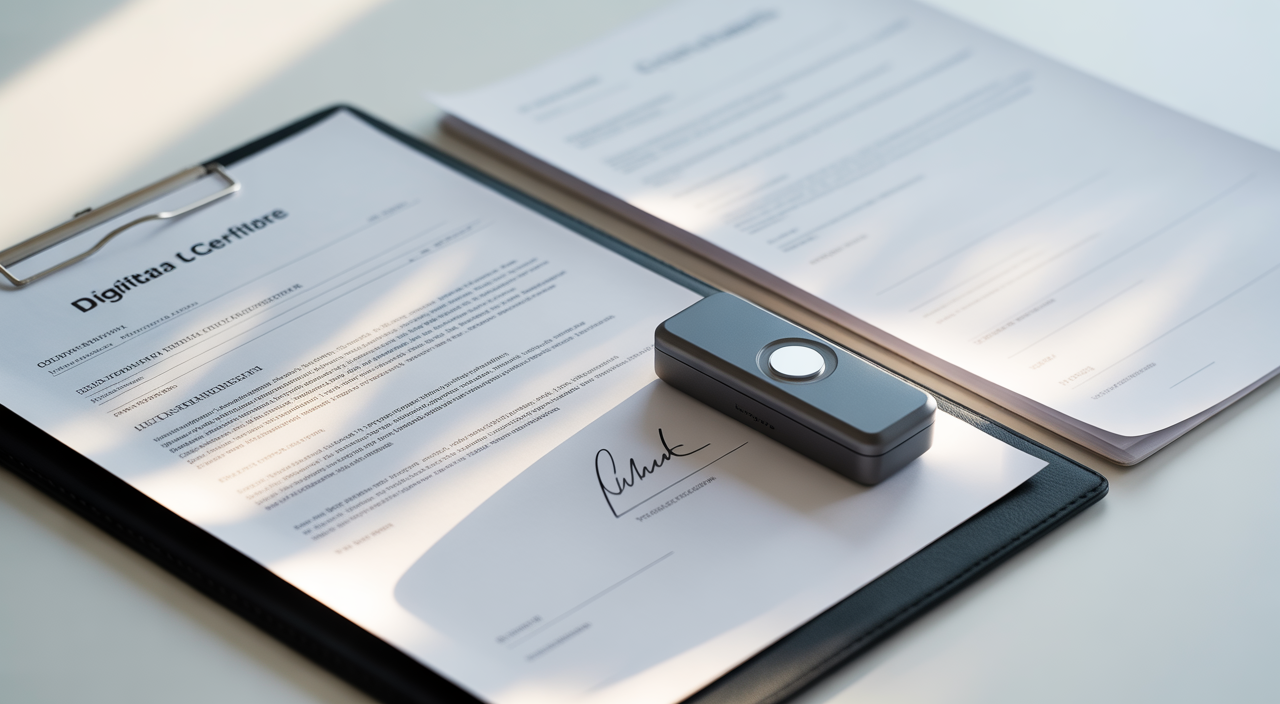
An import-export license, officially called the Importer Exporter Code (IEC), is your entry ticket to global trade from India. Without it, you cannot legally send or receive goods across borders. In this guide, you will learn what it is, why it matters, and how to apply step by step so your international business journey starts smoothly.
Your IEC is issued by the Directorate General of Foreign Trade (DGFT). The good news is that it is a simple online process, and once issued, it is valid for life. If you want a detailed procedural breakdown, you can explore this helpful guide on how to get your import export license from India.
For many Indian entrepreneurs, this is the first formal step towards building a brand that sells worldwide. Whether you are trading spices, textiles, machinery, or digital equipment, IEC registration gives you legal clarity, better market access, and smoother customs handling.
Why An Import Export License Is So Important
The IEC is much more than a number on paper. It supports your growth and protects your business at different stages of cross-border trade.
Here are some key benefits:
- Legal compliance: You follow Indian foreign trade rules and avoid penalties or shipment issues at customs.
- Market expansion: You can sell your products abroad and buy raw materials or finished goods from other countries.
- Tax and duty benefits: You can claim export incentives and duty drawback under various government schemes.
- Simplified banking: Banks use your IEC for handling foreign currency payments, letters of credit, and remittances.
- Higher credibility: Overseas buyers and suppliers see your business as serious and trustworthy.
If you already run a profitable business in India, getting your import export license is a natural way to diversify your income and reduce dependence on the local market alone.
Documents You Need Before Applying
Before you start the online form, keep a small checklist ready. Having clean, clear documents saves you time and prevents rejections.
Mandatory documents:
- PAN card of the business entity or proprietor
- Proof of business registration, such as GST certificate, LLP agreement, or company incorporation certificate
- Cancelled cheque or bank certificate with bank seal and account details
- Digital Signature Certificate (DSC) Class 2 or 3 for online signing
- Active email ID and mobile number for OTPs and communication
Supporting documents (if applicable):
- Address proof of business premises, like electricity bill or lease agreement
- Partnership deed for partnership firms
- Board resolution for companies, authorising a person to apply
Make sure the name, PAN, and bank details match exactly across documents. Small mismatches, such as spelling differences or short forms, can delay your IEC.
How Long Is An IEC Valid?
Once allotted, your IEC is valid for a lifetime. There is no need for yearly renewal or periodic revalidation under normal conditions.
You only have to update or surrender it if:
- Your business structure changes, such as from proprietorship to company
- You change key details like address or bank account
- You decide to close or sell the business
This lifelong validity makes IEC a one-time investment with long-term benefits.
Step-by-Step Procedure To Get Your IEC Online
The online process is designed to be simple, especially if you prepare in advance. Here is a clear, practical breakdown:
- Get your DSC: Apply for a Class 2 or 3 Digital Signature Certificate through a licensed provider. This is used to sign your application securely.
- Create a DGFT account: Visit the DGFT portal and register using your PAN, email, and mobile number.
- Fill Form ANF 2A: Provide basic details of your business, such as name, address, PAN, and bank information.
- Upload documents: Scan and upload your PAN, registration proof, bank certificate or cancelled cheque, and any supporting documents.
- Pay the application fee: Pay the government fee online. It is usually around INR 500, which makes it very affordable.
- Verification by DGFT: DGFT checks your documents and bank details to ensure everything is correct.
- Receive IEC: Once approved, your IEC is generated and sent to your registered email in PDF format.
Most genuine applications are approved within a few working days. For many business owners, this is one of the fastest government registrations they complete.
Common Mistakes To Avoid While Applying
Small errors can slow down your approval. Here are some points to keep in mind:
- Always double-check your PAN number and name before submitting.
- Upload clear, high-quality scans, not photos with shadows or blur.
- Use the correct bank certificate format if required by your bank.
- Ensure the business name on PAN, bank documents, and application matches perfectly.
- Use a valid, active Digital Signature Certificate in the right name.
If you are used to handling official filings, these points are easy to follow. If not, working with a specialist compliance consultant can give you extra peace of mind. For example, services that help with streamlining regulatory processes for trade and measurement compliance often also guide on documentation standards and best practices.
Costs Involved In Getting An IEC
The overall cost is quite reasonable when you compare it to the value of entering global markets.
- DGFT application fee: About INR 500 to 1,000
- Digital Signature Certificate: Around INR 1,500 to 3,000 depending on provider and duration
- Bank certificate charges: Many banks issue this free, some may charge up to INR 500
- Consultant or service provider fee: Typically INR 1,000 to 3,000, based on support level
For most startups and MSMEs, this investment is small compared to the long-term export opportunities it unlocks.
What Happens If You Trade Without An IEC?
In practice, customs and banks use the IEC to track and authorise your international transactions. If you do not have one, you may face:
- Delays or holds at customs while shipping or receiving goods
- Inability to claim export incentives and duty refunds
- Challenges with banks while receiving or sending foreign payments
- Loss of trust from overseas buyers who expect proper registration
Getting your import export license early removes these risks and lets you focus on marketing, pricing, and building relationships abroad. You can also draw ideas from other growth-focused guides, such as this resource on maximizing your marketing efforts while staying profitable, which is useful once your cross-border operations start.
How Professional Support Helps Indian Investors
Many Indian traders are busy handling suppliers, production, and sales. For them, paperwork can feel like extra pressure. Professional service providers step in to make the process easier.
They usually offer:
- Document review to correct errors before filing
- Step-by-step help with DGFT portal registration and form filling
- Follow-up with authorities if any query arises
- Guidance on later updates when your business grows or structure changes
For investors who want to scale quickly into global markets, delegating the technical filing to experts can save time and help avoid avoidable delays.
FAQs About Import Export License (IEC) In India
Q1: What exactly is an import export license in India?
A1: In India, an import export license is called the Importer Exporter Code (IEC). It is a unique 10-digit number issued by DGFT that allows individuals and businesses to import and export goods legally.
Q2: How long does it usually take to get an IEC?
A2: If your documents are correct and the application is complete, IEC issuance typically takes around 3 to 5 working days from the date of successful submission and payment.
Q3: Can a sole proprietor or small trader apply for an IEC?
A3: Yes. Sole proprietors, partnerships, LLPs, companies, and even Hindu Undivided Families (HUFs) can apply for an IEC, as long as they have valid PAN and bank details.
Q4: Do I need to renew my IEC every few years?
A4: No. The IEC is valid for a lifetime and usually does not require renewal. You only need to update it if your key business details change or if you decide to cancel it.
Q5: Is the government fee for IEC high for new businesses?
A5: No. The government fee is quite low, generally in the INR 500 to 1,000 range. Even after adding DSC and professional support costs, most businesses find the total amount very affordable compared to the growth potential of global trade.

Adrian is a multi-talented journalist, specializing in writing for print and digital media. With experience in news, politics, and investigative journalism, Adrian has a proven track record of delivering high-quality content for a variety of outlets. He is an expert in researching and analyzing complex topics, and is passionate about uncovering the truth and bringing important stories to light. Adrian is committed to ethical reporting and strives to bring a fresh perspective to any issue he covers.