
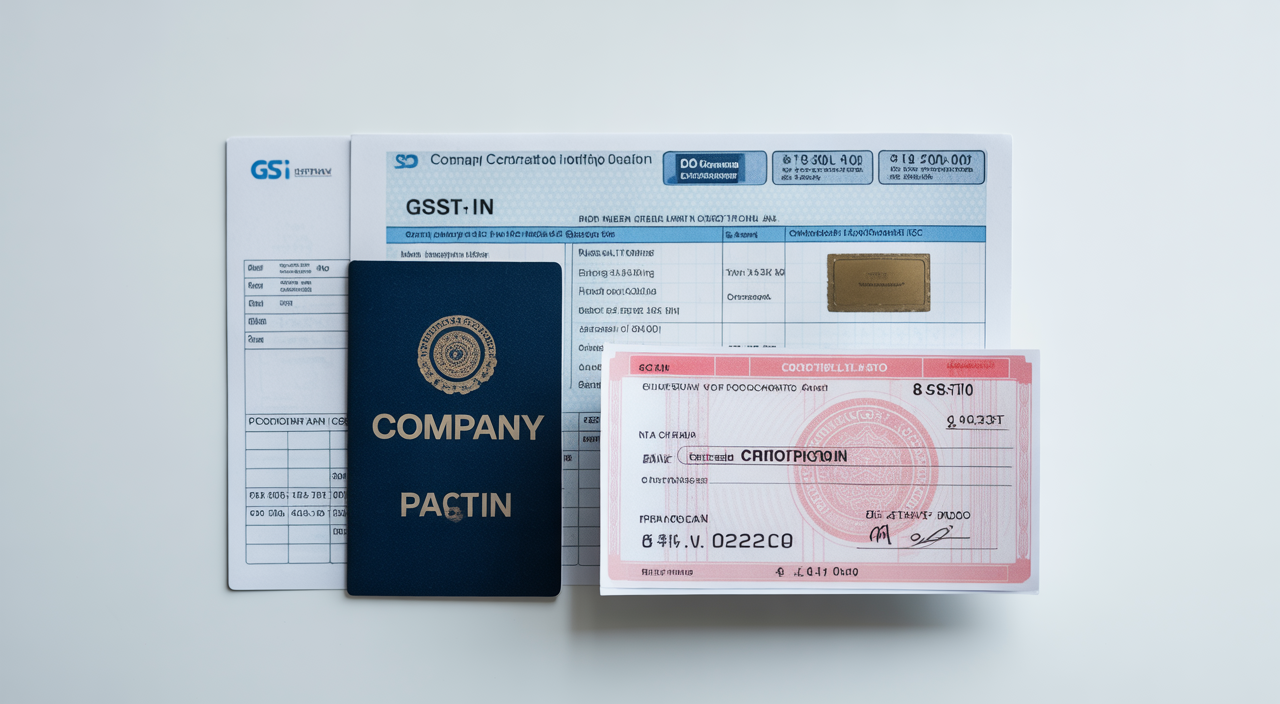
Understanding the EPR Certificate for E-Waste
If you make, import, or sell electronic products in India, you cannot ignore the EPR certificate for e-waste. Under the Extended Producer Responsibility (EPR) rules, you are legally responsible for what happens to your products after customers discard them. An epr certificate e waste proves that you have a clear, approved plan to collect and recycle this electronic waste in a safe way.
This certificate is issued under the rules for electrical and electronic equipment. It covers items like phones, laptops, TVs, home appliances, and many other gadgets. In simple words, if your products create e-waste at the end of their life, you need EPR approval before you sell them in the Indian market.
For Indian investors and business owners, treating EPR as a strategic tool, not just a legal checkbox, can strengthen both brand value and long-term profitability.
Key Benefits of an EPR Certificate for E-Waste
When you secure your EPR approval, you gain much more than just a licence to operate. It supports your business growth in several ways.
- Regulatory compliance: You meet all requirements of the Central Pollution Control Board (CPCB) and avoid policy uncertainty.
- Stronger brand image: Customers and B2B clients increasingly prefer eco-responsible brands. EPR certification proves your commitment.
- Risk reduction: With valid documents and proper reporting, the risk of penalties, notices, or legal disputes drops sharply.
- Better resource use: Recycling helps recover valuable metals and components, which can reduce your long-term material costs.
- Support for ESG goals: Many Indian investors now track Environmental, Social, and Governance (ESG) performance. EPR fits neatly into these sustainability metrics.
If you already focus on ethical supply chains, green energy, or waste reduction, adding proper EPR systems completes your sustainability story.
Documents You Need Before You Apply
A smooth EPR application starts with the right paperwork. Make sure you arrange these documents early to avoid delays.
Mandatory documents:
- Company PAN and GSTIN details
- Certificate of incorporation (CIN) or registration document
- Proof of sales volume of electrical and electronic equipment for the last financial year
- Valid registration with your State Pollution Control Board
- Bank mandate details such as a cancelled cheque
Optional but helpful documents:
- Annual report or sustainability report showing your e-waste management plan
- Agreements or MoUs with authorised recyclers and collection partners
- Environmental certifications such as ISO 14001, if available
For Indian investors handling multiple compliance needs, pairing EPR efforts with other registrations can be efficient. For example, you can read how businesses streamline compliance through automated regulatory processes and registrations.
Validity Period and Renewal
An EPR certificate for e-waste is typically valid for one year from the date it is issued. To keep your operations smooth, plan renewal well in advance. The ideal time is at least 60 days before expiry.
This buffer helps you handle any extra queries from authorities and adjust your collection or recycling targets if needed. For investors, a clear renewal calendar also reduces the risk of sales disruption or stock stuck at customs.
Step-by-Step Process to Get Your Certificate
The actual process is quite structured. Here is a simple breakdown you can follow:
- Preparation: Collect all mandatory documents and calculate your e-waste obligation based on sales volumes. This includes how much waste your products are expected to generate.
- Online registration: Register on the CPCB portal or work through an authorised compliance agency that uses the official system.
- Application submission: Fill in the EPR application form, upload documents, and pay the required government fee.
- Verification stage: Authorities review your details. This usually takes about 7 to 10 working days if your documents are clear.
- Certificate issuance: Once approved, you receive your digital EPR certificate. Keep it safe and share it with key stakeholders and partners.
- Regular reporting: After approval, submit quarterly reports on how much e-waste you collected, sent to recyclers, and processed.
As your business grows across states, you may also look at wider infrastructure, from warehouses to improved facilities. For a sense of how physical assets can support clean operations, check insights on safe and efficient electrical systems, which often go hand in hand with responsible electronics use.
Common Mistakes You Should Avoid
Many companies face delays not because the rules are complex, but because of simple errors. Avoid these frequent problems:
- Using an expired or incorrect Pollution Control Board registration
- Wrong calculation of annual e-waste volume or product categories
- Uploading blurred scans, missing pages, or mismatched company names
- Waiting till the last moment to file renewal applications
- Skipping quarterly collection and recycling reports after getting the certificate
Set up internal checklists and assign clear responsibility inside your team so that these tasks are not missed.
What Happens If You Ignore EPR Requirements?
While the focus should stay positive, it is still wise to understand the risks of non-compliance. Ignoring EPR rules can create serious roadblocks for growth.
- Financial penalties: Authorities can impose fines of up to ₹50,000 per violation, with higher amounts for repeated cases.
- Legal exposure: Cases can be filed under environmental laws, which may involve time and expense for management.
- Sales restrictions: Your business may be stopped from selling electrical or electronic items until you comply.
- Reputation impact: Investors and customers today expect clean operations, and lack of EPR can affect trust.
From an investor’s point of view, a company that manages these obligations well is safer and more future-ready.
Cost Involved in Getting an EPR Certificate
The exact cost varies by scale and category, but you can plan using these rough ranges:
- CPCB application fee: About ₹5,000 to ₹10,000, depending on the production or import volume category.
- State PCB registration fee: Around ₹2,000 to ₹5,000, depending on the state and whether it is one-time or annual.
- Service or professional fees: If you use a consultant or agency, budget roughly ₹7,000 to ₹15,000 for document support, filing, and follow-up.
For medium and large businesses, these costs are small compared to the benefits of smoother operations, stronger brand value, and investor confidence.
How Expert Support Simplifies the Process
Many Indian companies now prefer using specialised service providers for EPR. Dedicated teams can help you calculate obligations, prepare documents, complete online applications, and keep you updated on changing rules.
They also support quarterly reporting, data collection from your dealer network, and coordination with authorised recyclers. This frees your internal team to focus on product, sales, and expansion while still staying 100% compliant with e-waste rules.
Conclusion: Treat EPR as a Growth Enabler
Securing an epr certificate e waste is not only about following the law. It is about building a modern, responsible business that respects both customers and the environment. For Indian investors, this approach signals strong governance, lower risk, and long-term stability.
By planning your documents early, following the step-by-step process, avoiding common mistakes, and using expert guidance when needed, you can make EPR compliance smooth and stress-free. This choice supports cleaner cities, better recycling rates, and a stronger, greener brand.
FAQs About EPR Certificate for E-Waste in India
Q1: What exactly is covered under an EPR certificate for e-waste?
Answer: The certificate covers all electrical and electronic equipment you place on the Indian market, such as IT products, consumer electronics, and home appliances. It confirms that you have a formal plan and targets to collect, channel, and recycle the e-waste generated by these products at the end of their life.
Q2: Do small importers or start-ups also need an EPR certificate?
Answer: Yes. The requirement applies to all producers, importers, and brand owners, regardless of size, if they deal in covered electronic products. Smaller firms may have lower targets and simpler systems, but they still need proper registration and compliance.
Q3: Can I handle e-waste collection on my own without authorised recyclers?
Answer: You can organise your own collection network, but actual recycling and safe disposal must be done through authorised recyclers. Their details and agreements are often needed as part of your EPR plan and reporting.
Q4: How early should I start planning for renewal?
Answer: Begin at least 2 to 3 months before expiry. This gives you enough time to review your data, update agreements, submit the renewal application, and respond to any clarification requests from authorities without affecting your sales.

Adrian is a multi-talented journalist, specializing in writing for print and digital media. With experience in news, politics, and investigative journalism, Adrian has a proven track record of delivering high-quality content for a variety of outlets. He is an expert in researching and analyzing complex topics, and is passionate about uncovering the truth and bringing important stories to light. Adrian is committed to ethical reporting and strives to bring a fresh perspective to any issue he covers.