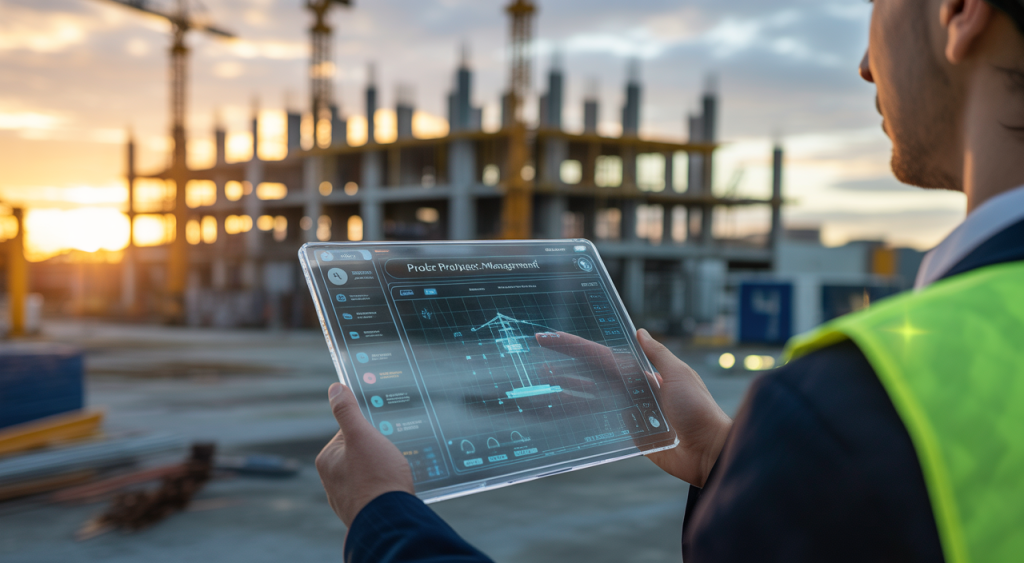
Are you looking for ways to make your construction projects run smoother and more profitably? The construction world is changing rapidly. Old ways of managing projects can often lead to delays, cost overruns, and missed deadlines. Modern construction demands better solutions.That’s where digital tools construction management comes in. These tools are transforming how projects are planned, executed, and delivered. They offer a powerful way to bring all parts of a construction project together. This guide will explore essential digital tools, their benefits, and how they can help you build the future more effectively.
Understanding the Core Benefits of Digitalization in Construction
Adopting digital tools is not just about staying modern. It brings real, measurable advantages to your construction business. These benefits touch every part of a project, from the initial plan to the final handover. Let’s look at some key advantages.
Improved Project Efficiency & Productivity
Digital tools automate many tasks that used to take hours. Imagine a scenario where a simple scheduling change took days to communicate across a large project, leading to costly mistakes and delays. Now, with digital tools, such updates are instant, ensuring everyone is on the same page. This includes things like scheduling, data entry, and report generation. When tasks are automated, your team can focus on more important work. This leads to streamlined workflows and much higher overall productivity, a core benefit of effective digital tools construction management. It also drastically cuts down on manual errors and costly rework.
Enhanced Cost Control & Budget Management
Keeping a project on budget is a major challenge. Digital solutions provide real-time tracking of expenses and material usage. This means you can see exactly where money is going at any moment. You can also make more accurate forecasts. Better financial oversight helps reduce waste and prevent expensive surprises.
Superior Communication & Collaboration
Misunderstandings between the office and the job site can cause big problems. Digital platforms centralize all project data. Everyone involved can access the latest information instantly. This creates a single source of truth and greatly improves communication among all team members. It bridges the gap between different departments and locations.
Data-Driven Decision Making
Digital tools gather vast amounts of data. This data can be presented in easy-to-understand dashboards and reports. You can get predictive insights into potential issues. This allows you to make smart decisions based on facts, not guesswork, truly highlighting the power of digital tools construction management. It helps you identify and mitigate risks proactively, before they become major problems.
Essential Categories of Digital Tools for Construction Management
There are many types of digital tools available. Each one helps with different aspects of construction management. Together, they create a powerful system for success. Here are some of the most important categories.
A. Project Management & Scheduling Software
These tools are the backbone of any organized project. They help you create detailed schedules, assign tasks, and track progress. Features often include Gantt charts, critical path analysis, and resource allocation. They ensure projects stay on track, within scope, and meet deadlines.
B. Building Information Modeling (BIM) Software
BIM software goes beyond traditional 2D drawings. It creates a 3D model of your building with rich information about every component. This allows for better design coordination and clash detection, where potential problems are found before construction begins. Using BIM software construction is fundamental for comprehensive project planning and execution. It leads to fewer errors and better visualization for everyone involved.
C. Field Management & Mobile Applications
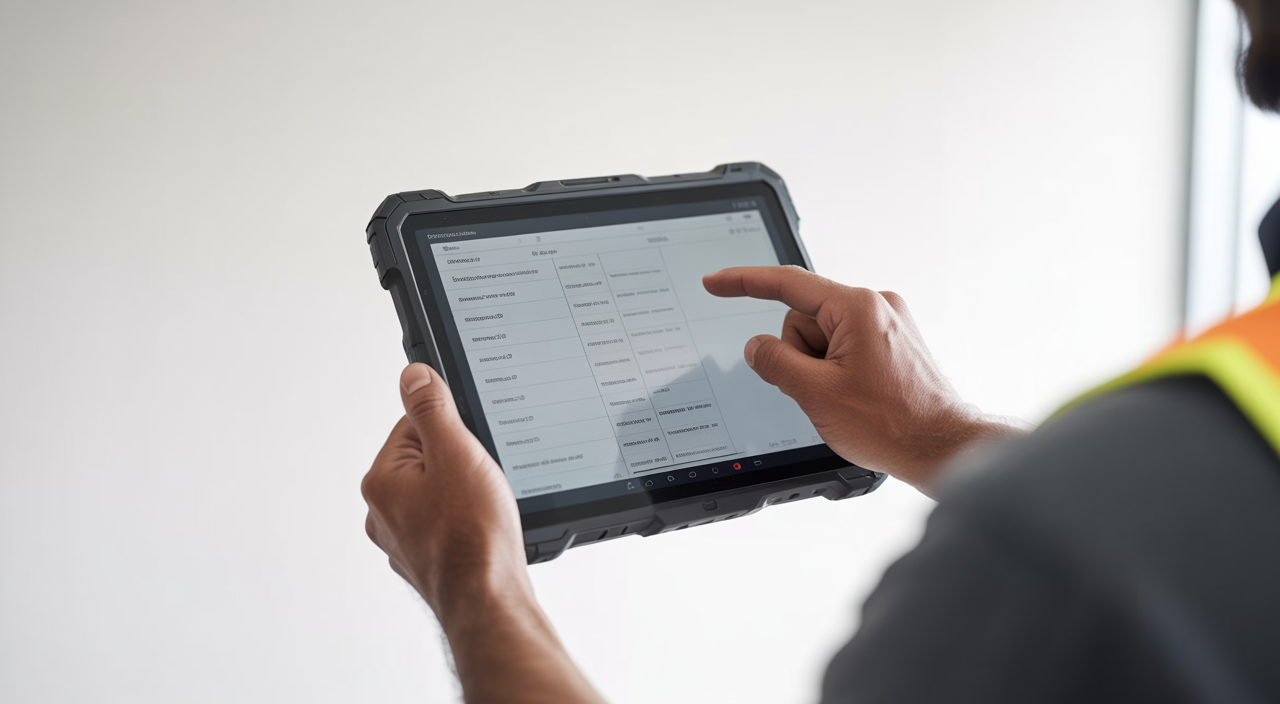
These tools are designed for use right on the job site. Workers can record daily logs, manage punch lists, and complete safety reports using a smartphone or tablet. They also allow for easy photo documentation and tracking of requests for information (RFIs) and submittals. This provides real-time site updates and improves accountability among field teams.
D. Estimating & Bidding Software
Accurate estimates are crucial for winning new projects. This software helps with material takeoffs and uses extensive cost databases. It can generate professional proposals quickly and accurately. These tools significantly improve the precision of your bids and can increase your chances of securing new contracts.
E. Financial & Accounting Solutions
These tools help manage all financial aspects of your projects. They handle job costing, payroll, and invoicing. They also integrate with your general ledger system. This gives you clear financial transparency and helps manage cash flow effectively. It’s vital for understanding the true profitability of each project.
F. Document Management & Collaboration Platforms
Construction projects involve a huge number of documents. These platforms offer secure storage, version control, and easy sharing. Everyone always works with the most current documents. This creates a single, reliable source of information. It also reduces legal risks by maintaining clear audit trails of all changes.
G. Emerging Technologies: AI, IoT, Drones
The future of construction is already here in many ways. Artificial Intelligence (AI) can analyze data for predictive insights and risk assessment. The Internet of Things (IoT) uses sensors to track assets and monitor conditions on-site. Drones provide aerial surveys and progress monitoring. These technologies are constantly evolving to make construction even smarter.
The Power of Integration: Building a Connected Construction Ecosystem
Many companies use several digital tools. But sometimes these tools don’t “talk” to each other. This can create new problems, like data silos and duplicated efforts. The real power of digital solutions comes from integration. An integrated system allows data to flow seamlessly between different applications.For construction companies seeking a truly integrated approach to managing projects from start to finish, platforms like digital tools construction management offer comprehensive solutions that unite various aspects of management into a single, cohesive system. This means your BIM data can automatically update your project schedule, and field reports can instantly adjust your budget forecasts. When choosing an integrated solution, look for user-friendliness, scalability, and good customer support. This approach helps enhance overall business operations greatly.
Overcoming Digital Adoption Challenges
Bringing new technology into your company can have its challenges. People often resist change. Training might be needed. Data might need to be moved from old systems. But these hurdles are manageable with the right approach.
Resistance to Change
It’s natural for people to prefer what they know. To overcome this, clearly communicate the benefits of new tools to everyone. Highlight how the tools will make their jobs easier. Appoint “champions” within your team who can advocate for the new system.
Training & Skill Gaps
Learning new software takes time. Provide comprehensive training programs for all users. Offer ongoing support and resources. This ensures everyone feels confident and capable using the new tools.
Data Migration & Integration
Moving existing project data to a new system can seem daunting. Consider a phased implementation, starting with smaller projects. Don’t hesitate to seek expert assistance if needed. This makes the transition smoother.
Choosing the Right Tools
With so many options, picking the best tools can be hard. Start with a thorough needs assessment to understand your company’s specific requirements. Run pilot programs to test tools before full adoption. Always evaluate vendors carefully. A strategic planning approach helps immensely here.
Measuring the ROI of Your Digital Tools Investment
You want to know that your investment in digital tools is paying off. It’s important to track the benefits. Look at key performance indicators (KPIs). These include things like project completion rates on time, adherence to budget, and reductions in rework. Also track safety incident rates and communication efficiency. Digital tools often bring both short-term gains, like immediate time savings, and long-term benefits, such as a stronger reputation and greater client satisfaction.
The Future of Construction Management: What’s Next?
The journey of digital transformation in construction is ongoing. We can expect even more exciting developments. This includes continued innovation in AI, virtual reality (VR), augmented reality (AR), and robotics. There will be a greater emphasis on sustainability and green construction technology. The role of the project manager will also continue to evolve. They will become more focused on strategic oversight and data interpretation.
Conclusion: Embrace Digital to Lead the Way
The construction industry is at a pivotal point. Embracing digital tools is no longer an option but a necessity for growth and competitiveness. These tools offer powerful ways to boost efficiency, control costs, and improve collaboration. They empower you to make smarter, data-driven decisions. By choosing the right digital solutions and implementing them thoughtfully, your company can lead the way in building the future. Transform your projects and secure your success by leveraging the power of modern digital tools construction management today.
Frequently Asked Questions (FAQs)
Q1: What is the most important digital tool for a small construction company?
A: For a small construction company, project management and scheduling software is often the most critical tool. It helps keep projects organized, on time, and within budget, even with limited resources. Many solutions are scalable and affordable for smaller operations.
Q2: How long does it take to see benefits from using digital construction tools?
A: You can often see immediate benefits in terms of efficiency and communication within weeks or a few months, especially for tasks like daily reporting or scheduling. Significant cost savings and overall project performance improvements usually become clear over several projects, often within 6-12 months, as your team becomes more proficient.

Adrian is a multi-talented journalist, specializing in writing for print and digital media. With experience in news, politics, and investigative journalism, Adrian has a proven track record of delivering high-quality content for a variety of outlets. He is an expert in researching and analyzing complex topics, and is passionate about uncovering the truth and bringing important stories to light. Adrian is committed to ethical reporting and strives to bring a fresh perspective to any issue he covers.