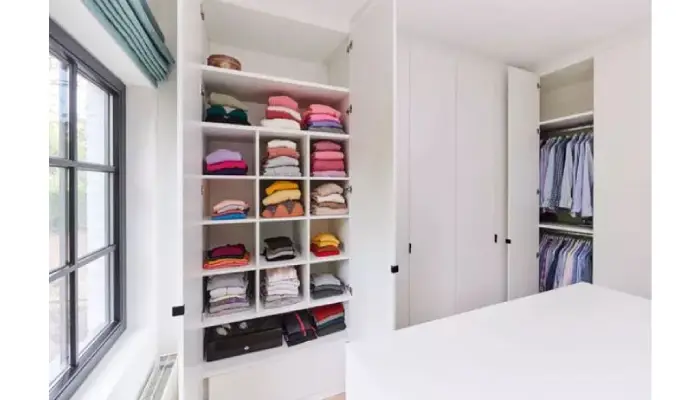
To maximize storage in your fitted dressing room, start by decluttering and organizing. Regularly remove old clothing that just takes up space, keeping only what you actually wear. Next, evaluate your current setup, are there outdated storage systems in place? Upgrading to custom cabinetry that uses vertical space efficiently can really enhance the functionality of the area. Don’t forget to incorporate closet accessories like shoe racks and pull-out trays for a tidy look. Good lighting is key for a pleasant experience; combine different types for the best effect. With some planning and attention to detail, you can create an efficient and stylish dressing area that works for you.
1. Declutter and Organize Your Wardrobe
To maximize storage in your fitted dressing rooms, start with a thorough decluttering process. Create a checklist to help you decide what to keep, donate, or discard. Be honest about items that no longer fit or suit your style. Establish a one-in-one-out rule for new purchases, ensuring that every new item has a designated place. Organize your clothes by category, such as tops, bottoms, outerwear, and accessories, for easy access. Using matching hangers can give your wardrobe a neat appearance, while organizing by color adds a visually appealing touch. Group seasonal items separately; this not only reduces clutter but also makes it easier to find what you need. Consider how often you wear each item when deciding what to keep. Small items like scarves and belts can be neatly stored in containers to prevent them from getting lost. Set a reminder every season to reassess your wardrobe, allowing you to keep it fresh and functional. Documenting your favorite outfits can help you remember what works best for you, guiding future purchases and ensuring you make the most of your storage space.
- Create a checklist of items to keep, donate, or discard.
- Establish a one-in-one-out rule for new purchases.
- Sort clothes by category: tops, bottoms, outerwear, and accessories.
- Use matching hangers for a neat appearance.
- Organize by color for a visually appealing wardrobe.
- Group seasonal items separately to avoid clutter.
- Consider the frequency of wear when deciding what to keep.
- Use containers for small items like scarves and belts.
- Set a reminder every season to reassess your wardrobe.
- Document your favorite outfits for future reference.
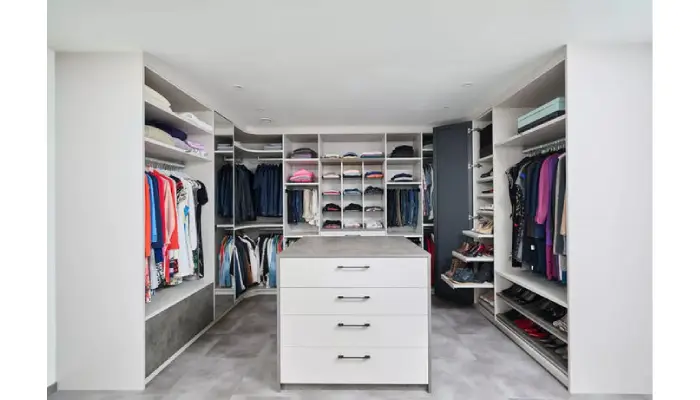
2. Evaluate Your Current Dressing Room Setup
Start by identifying problem areas that lead to clutter or confusion in your dressing room. Look for spots where items tend to pile up or get lost. Measure the space to see what can fit comfortably, ensuring you have a clear understanding of your dimensions. Taking photos of your current setup can give you a visual reference when planning your changes. Consider the flow of movement within the room; you want to make sure you can move freely without obstruction.
Check for any underutilized spaces, like corners or above-door areas, that could be improved for added storage. Assess the height and depth of your shelves and rods, as this can affect how much you can store and access. You may also want to add mirrors to enhance natural light and give the illusion of a larger space. Evaluate the accessibility of your frequently used items: if you have to dig through piles to find your favorite dress, it might be time for a change.
Think about how often you use each section of your wardrobe; items you wear daily should be easy to reach, while seasonal clothes can be stored out of the way. Lastly, take note of any damage or wear that needs addressing, as this could impact both the aesthetic and functionality of the space.
3. Invest in Custom Cabinetry
Custom cabinetry can make a significant difference in maximizing storage in fitted dressing rooms. Start by choosing materials that suit your style and budget, such as wood or laminate, to create a cohesive look. Design your cabinetry with adjustable shelves, allowing flexibility for items of varying sizes, from shoes to bulky sweaters. Including dedicated drawers for accessories like belts and jewelry keeps everything organized and easily accessible.
Think about the unique needs of your wardrobe; for instance, if you have long dresses, ensure you include ample hanging space. Built-in lighting in drawers and cabinets not only adds a touch of luxury but also improves visibility, making it easier to find what you need. Mixing open and closed storage can create visual interest while providing practicality, as open shelves can display your favorite pieces and closed cabinets can hide away less-used items.
Consider features like pull-out or pull-down shelves for hard-to-reach areas, maximizing every inch of space. Make sure that the cabinetry complements the overall room design, and opt for finishes that are easy to clean and maintain. For a polished touch, include soft-close mechanisms on drawers and doors, enhancing both functionality and aesthetics.
4. Add Design Touches for Style
Selecting a cohesive color palette is a great starting point to reflect your personality in your fitted dressing room. Soft pastels or bold hues can set the mood, making the space feel uniquely yours. To enhance the homey feel, incorporate artwork or personal photos that resonate with you. Decorative storage boxes can also play a dual role: keeping items organized while matching your decor. A stylish rug adds warmth and comfort underfoot, making the space inviting.
Bringing in some greenery through plants can create a fresh atmosphere, adding life to your dressing room. Pairing this with decorative lighting fixtures not only illuminates the space but also adds a touch of elegance. A statement chandelier or a chic pendant light can serve as a focal point, elevating the overall design. Consider adding seating that complements your space, providing comfort while you choose outfits or do your makeup.
Stylish baskets can neatly hold smaller items, keeping everything tidy. Finally, selecting curtains or blinds that enhance natural light while ensuring privacy can tie the entire look together, making your fitted dressing room a practical yet stylish retreat.
5. Utilize Closet Accessories for Efficiency
Incorporating closet accessories can significantly enhance the functionality of your fitted dressing room. Start with drawer dividers to keep small items organized, making it easy to find what you need without rummaging through a cluttered drawer. For items like scarves and ties, tiered hangers can save valuable space while also keeping them accessible and untangled. Hooks are another great addition; install them for bags and accessories, allowing you to see your options at a glance rather than digging through a pile.
When it comes to shoes, consider installing pull-out shoe racks. These not only maximize your shoe storage but also keep your footwear in good shape and easy to access. For those seasonal items or pieces you don’t wear often, matching bins can help maintain order without sacrificing style. If you have a collection of ties, a rotating tie rack can provide easy access and organization.
Space-saving solutions like a pull-out ironing board can be incredibly useful, allowing you to keep your dressing room tidy. A built-in laundry hamper is another smart accessory that keeps dirty clothes off the floor and out of sight. For additional storage, over-the-door organizers can be a lifesaver, offering extra space without requiring much room. Finally, consider adding a small shelf specifically for frequently used accessories like jewelry, so they are always within reach.
6. Explore Smart Storage Solutions
To truly maximize storage in your fitted dressing room, consider incorporating smart storage solutions that enhance both functionality and style. Start with modular shelving, which can be easily adjusted as your wardrobe needs change. This flexibility allows you to optimize space without a complete overhaul. Multi-functional furniture, such as benches with hidden storage, can serve dual purposes: providing a place to sit while also concealing items like shoes or accessories.
Hidden storage options, like ottomans that open up for additional space, can be a game-changer in keeping your dressing area tidy. Hanging organizers are another practical choice, efficiently utilizing vertical space to hold everything from scarves to belts. When selecting furniture, opt for pieces that can be easily moved to allow for reconfiguration, adapting the layout to your needs.
Wall-mounted shelves are excellent for freeing up floor space and can serve as display areas for your favorite accessories. Stackable storage bins are perfect for seasonal items, making it easy to rotate your wardrobe as the weather changes. Incorporating slide-out baskets ensures that frequently used items are easily accessible, keeping your dressing room organized.
Don’t forget the importance of labeling your storage solutions for quick identification, which can save you time in your daily routine. Finally, explore innovative technology for smart storage options, such as app-controlled lights that enhance visibility and add a modern touch to your dressing room.
7. Focus on Effective Lighting Design
Effective lighting design is crucial in creating a functional and inviting fitted dressing room. Start by layering your lighting with ambient, task, and accent types. Ambient lighting serves as the base, while task lighting illuminates specific areas, such as around a mirror or vanity. Accent lighting can highlight decorative elements or artwork. Position lights strategically to minimize shadows when dressing, ensuring you can see yourself clearly from all angles. Dimmable fixtures add versatility, allowing you to adjust brightness based on the time of day or your mood.
Incorporating LED strip lights inside cabinets improves visibility for shoes and accessories. These lights not only enhance practicality but also add a modern touch. Don’t forget to consider a statement light fixture that aligns with your room’s design theme, as it can serve as a stylish focal point.
Natural light is invaluable, so position mirrors opposite windows to maximize light reflection. This not only brightens the space but also creates the illusion of a larger area. Ensure that all fixtures are energy-efficient to help reduce costs in the long run. Lastly, make lighting controls easily accessible, so you can adjust settings without hassle. Choosing fixtures that complement your overall design will tie the space together, making it both beautiful and functional.
8. Plan Your Dressing Room Layout
Start by sketching a floor plan. This helps you visualize the layout before making any changes. Create distinct zones for hanging clothes, folded items, and accessories. This organization makes it easier to find what you need. Pay attention to the width of walkways, allowing enough space to prevent crowding. Position mirrors in areas where they receive the best light, enhancing both visibility and the overall feel of the room. Plan for adequate space between clothing rods and shelves to avoid a cramped look. Ensure that frequently used items are within easy reach, making your dressing routine smoother. A central seating area is also a great addition, providing comfort while you put together outfits. Consider how the layout affects the flow and usability of the room; it should feel inviting and functional. Leave some room for future additions to your wardrobe, as styles and needs can change over time. Regularly review and adjust the layout to keep it aligned with your evolving preferences.
9. Implement Seasonal Storage Solutions
To maximize space in your fitted dressing room, implementing seasonal storage solutions is key. Start by using vacuum-sealed bags for off-season clothing, which can significantly reduce the amount of space those items occupy. Rotate seasonal items to the front of your wardrobe for easy access when you need them the most. Using labeled bins for each season can help you quickly identify what you have and where everything is stored. Make sure to keep these items in temperature-controlled spaces to protect delicate fabrics from damage.
Consider a closet system that allows for seasonal adjustments, making it easy to adapt your storage as your wardrobe changes. Keeping a list of seasonal items can ensure you know what you have, preventing unnecessary purchases. Investing in furniture that can adapt to seasonal changes, like convertible racks, can also be beneficial. Don’t forget about under-bed storage for shoes or bulky items during off-seasons, which can keep your dressing room tidy. Create a dedicated area for seasonal accessories, such as hats and gloves, to avoid clutter. Regularly reviewing and updating your seasonal storage can help maintain organization and efficiency.
10. Maintain and Upkeep Your Space
Keeping your fitted dressing room in top shape requires regular maintenance. Start by setting a cleaning schedule, like once a week, to keep the space tidy and organized. A checklist can help you track what needs to be maintained or replaced, ensuring nothing slips through the cracks. Encourage everyone using the space to develop the habit of putting items back in their designated spots after use.
To further streamline your organization, consider using apps or spreadsheets to manage your wardrobe inventory and track clothing usage. Seasonal reviews are also a smart move, allowing you to reassess and reorganize your wardrobe items based on what you wear most often.
Keep cleaning supplies handy for quick touch-ups to maintain a pristine environment. Documenting any changes made to the layout or organization can be useful for future reference, helping you remember what worked and what didn’t. A monthly maintenance check can ensure everything is functioning well, from hinges on cabinets to lighting fixtures.
Clearing out items you no longer wear can be beneficial too; organize a donation drive to give those pieces a new life. Finally, be mindful of new purchases to avoid cluttering your space further. A little upkeep goes a long way in maximizing storage and maintaining a stylish, functional dressing room.
11. Personalize Your Dressing Room
Personalizing your dressing room can transform it from a mere storage space into a sanctuary that reflects who you are. Start by selecting a color palette that resonates with your personality, making the space feel uniquely yours. For inspiration, consider incorporating artwork or framed photos that evoke positive memories, helping to create a motivating atmosphere each time you enter. Decorative storage boxes or baskets that match your style can not only serve a practical purpose but also contribute to a coordinated look, enhancing the overall aesthetic.
To create a calming environment while getting ready, consider adding scented candles or diffusers that fill the air with soothing fragrances. A comfortable chair or ottoman is a great addition, providing a cozy spot for you to sit while you dress, while also complementing your decor. Music can elevate your dressing experience, so think about installing a small sound system or Bluetooth speaker to enjoy your favorite tunes as you prepare for the day ahead.
Integrating a corkboard or magnetic board allows you to display accessories or reminders that inspire you, adding a personal touch to the space. Bringing in some greenery, such as plants, not only livens up the room but also improves the air quality. For a visually appealing organization, use customizable labels or tags on storage solutions, making it easy to find what you need while keeping things neat.
Finally, consider including a personal touch like a signature fragrance or a special memento that enhances your dressing experience. These small details can make a significant difference, turning your dressing room into a space where you feel inspired and at ease.
12. Seek Professional Help for Optimization
If you’re looking to get the most out of your fitted dressing room, consider bringing in a professional organizer. Start by researching local experts who specialize in closet and dressing room setups. Once you find a few, schedule a consultation to discuss your specific needs and preferences for storage and layout. Professionals can recommend tailored storage solutions that fit your wardrobe style and help you stay updated on the latest trends in dressing room design.
Evaluating the cost of hiring a professional against the potential benefits is key. A well-optimized space can save you time and frustration, making it a worthwhile investment. Some professionals even offer 3D design services, allowing you to visualize the layout before implementation. During your consultation, request a detailed plan that includes both aesthetic and functional improvements.
They can also provide advice on maintaining organization over time, which is crucial for keeping your space functional. Involving a professional in seasonal wardrobe changes can help freshen up the room and ensure it meets your needs year-round. Additionally, ask about follow-up services or maintenance sessions to keep everything running smoothly.
Frequently Asked Questions
1. What are some smart ways to use vertical space in a dressing room?
You can maximize vertical space by adding shelves above or using tall cabinetry. Hooks and wall-mounted organizers also help utilize higher areas.
2. How can I organize shoes effectively in a fitted dressing room?
To organize shoes, consider using pull-out shelves, shoe racks, or clear boxes. This keeps them visible and easy to access.
3. What kind of lighting works best for a fitted dressing room?
Good lighting includes bright, even fixtures, like LED lights or spotlights. Consider adding a mirror with built-in lights to enhance visibility.
4. How can I make the most of corner spaces in a dressing room?
Use corner shelving units or triangular racks to transform awkward corners into storage opportunities. Lazy Susans or pull-out drawers also fit well.
5. What are some creative storage solutions for accessories in a dressing room?
Try using small bins, drawer dividers, or hanging organizers for accessories like belts, ties, or jewelry. Clear containers can keep everything visible and organized.
TL;DR To maximize storage in fitted dressing rooms, start by decluttering your wardrobe and organizing your space effectively. Evaluate your current setup and consider investing in custom cabinetry that fits your style. Enhance functionality with closet accessories, and don’t forget to incorporate design touches like seating and mirrors. Explore smart storage solutions such as modular units, and focus on effective lighting for a better experience. Plan your layout thoughtfully, implement seasonal storage methods, and keep up with maintenance. Personalize the space to reflect your style, and seek professional help if needed for optimal results.
Resource URL:
https://en.wikipedia.org/wiki/Changing_room
https://www.devin-furniture.co.uk/dressingrooms

Adrian is a multi-talented journalist, specializing in writing for print and digital media. With experience in news, politics, and investigative journalism, Adrian has a proven track record of delivering high-quality content for a variety of outlets. He is an expert in researching and analyzing complex topics, and is passionate about uncovering the truth and bringing important stories to light. Adrian is committed to ethical reporting and strives to bring a fresh perspective to any issue he covers.