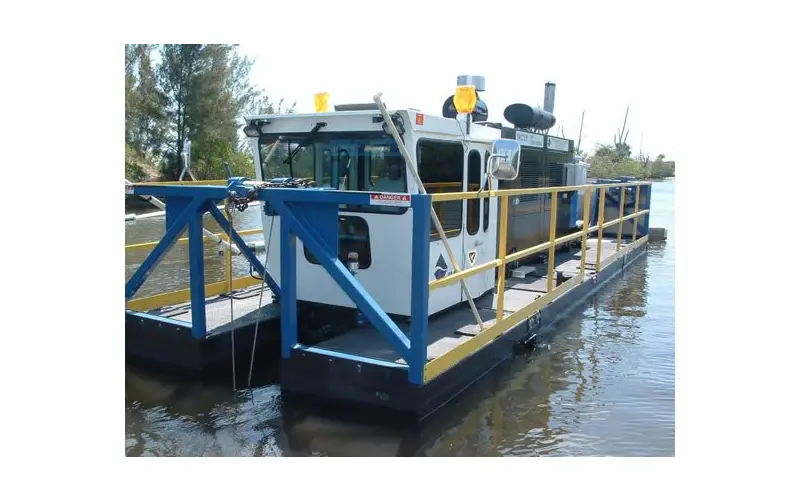
Self-propelled dredges play a crucial role in maintaining waterways, harbors, and coastal infrastructure. These advanced dredging vessels ensure efficient sediment removal, channel deepening, and land reclamation. However, to maximize their efficiency and lifespan, implementing a robust preventive maintenance strategy is essential. Regular upkeep helps reduce unexpected failures, lowers operational costs, and enhances safety. This article explores the value of preventive maintenance for self-propelled dredges, highlighting key maintenance practices and their long-term benefits.
Preventive Maintenance For Self-Propelled Dredge
Preventive maintenance involves scheduled inspections, servicing, and repairs to prevent potential failures before they occur. Unlike reactive maintenance, which addresses issues only after they arise, preventive maintenance ensures the continuous operation of a self propelled dredge with minimal downtime. This proactive approach enhances reliability, extends service life, and improves overall performance.
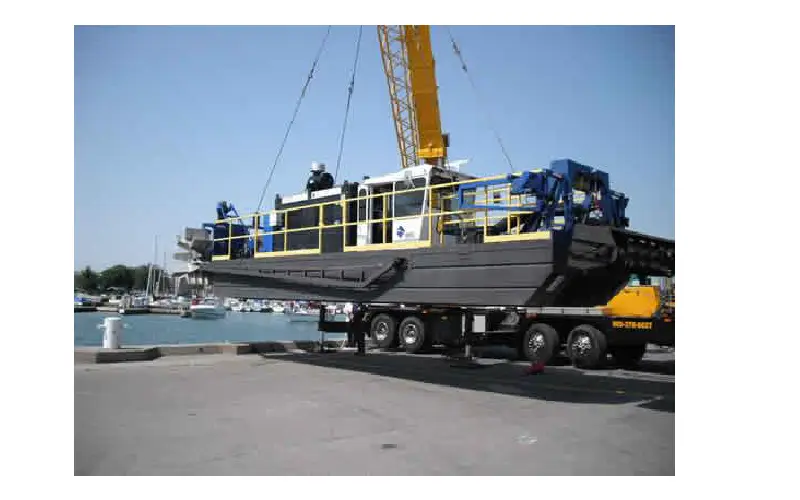
Key Components Requiring Preventive Maintenance
Several critical components of a self-propelled dredge require regular maintenance to ensure optimal functionality:
Hull and Structural Integrity
- Regular inspections for corrosion, cracks, and structural weaknesses.
- Application of protective coatings to prevent rust and degradation.
- Ensuring watertight integrity to avoid leaks and hull failures.
Dredging Equipment and Excavation Systems
- Checking cutter heads, suction pipes, and drag arms for wear and tear.
- Replacing worn-out cutter teeth and ensuring smooth sediment removal.
- Lubricating moving parts to reduce friction and extend component life.
Propulsion and Power Systems
- Routine maintenance of engines, generators, and fuel systems.
- Regular oil changes and monitoring of coolant levels.
- Inspection of propellers and thrusters for efficiency and alignment.
Hydraulic and Electrical Systems
- Checking hydraulic pumps, hoses, and valves for leaks or pressure issues.
- Inspecting electrical panels, wiring, and control systems for faults.
- Ensuring proper insulation and grounding to prevent electrical hazards.
Navigation and Communication Systems
- Testing GPS, radar, and sonar for accurate positioning and dredging.
- Maintaining communication equipment for seamless coordination.
- Calibrating sensors and monitoring systems for precision operations.
Benefits Of Preventive Maintenance For Self-Propelled Dredge
Implementing a structured preventive maintenance plan for self-propelled dredges offers numerous benefits that enhance operational efficiency and longevity.
Minimizing Downtime and Operational Delays
- Scheduled maintenance reduces the likelihood of unexpected breakdowns.
- Ensures continuous operations, avoiding costly project delays.
- Increases reliability during critical dredging operations.
Extending Equipment Lifespan
- Prevents premature wear and damage to key components.
- Reduces the frequency of major repairs and replacements.
- Enhances the vessel’s overall durability and longevity.
Improving Fuel Efficiency and Cost Savings
- Well-maintained engines consume less fuel, reducing operational costs.
- Proper lubrication and alignment improve propulsion efficiency.
- Avoids excessive repair costs associated with neglected maintenance.
Enhancing Safety and Compliance
- Ensures the dredge meets industry safety regulations and standards.
- Reduces the risk of equipment malfunctions that could endanger crew members.
- Maintains environmental compliance by preventing leaks and emissions.
Optimizing Performance and Productivity
- Maintains peak efficiency for dredging operations.
- Enhances excavation accuracy and sediment removal processes.
- Improves project execution timelines and overall effectiveness.
Developing An Effective Preventive Maintenance Plan
To maximize the benefits of preventive maintenance, dredge operators should implement a structured maintenance plan that includes:
Scheduled Inspections and Servicing
- Establish routine checks based on manufacturer recommendations.
- Conduct periodic overhauls of critical systems and components.
Real-Time Monitoring and Diagnostics
- Utilize advanced sensors and monitoring systems to detect early signs of wear.
- Implement predictive maintenance techniques using data analytics.
Crew Training and Maintenance Awareness
- Train crew members on best practices for equipment care and troubleshooting.
- Encourage proactive reporting of potential maintenance issues.
Spare Parts Inventory Management
- Maintain an adequate stock of essential spare parts.
- Ensure timely replacement of components to prevent extended downtime.
Conclusion
The value of preventive maintenance for self-propelled dredges cannot be overstated. A well-structured maintenance program enhances operational efficiency, extends equipment lifespan, improves safety, and reduces costs. By investing in regular upkeep, dredging companies can ensure their self-propelled dredges remain reliable and productive, minimizing downtime and maximizing profitability. As technology advances, integrating predictive maintenance tools and real-time monitoring will further optimize maintenance strategies, securing the long-term success of dredging operations.
Resource Link:
https://www.imsdredge.com/ims-model-7012-hp-versi-dredge/
https://en.wikipedia.org/wiki/Dredging

Jackie Velez is a dynamic business strategist and entrepreneur with a decade of experience driving growth and innovation. As a mentor and thought leader, she empowers businesses to thrive through strategic planning and forward-thinking insights.